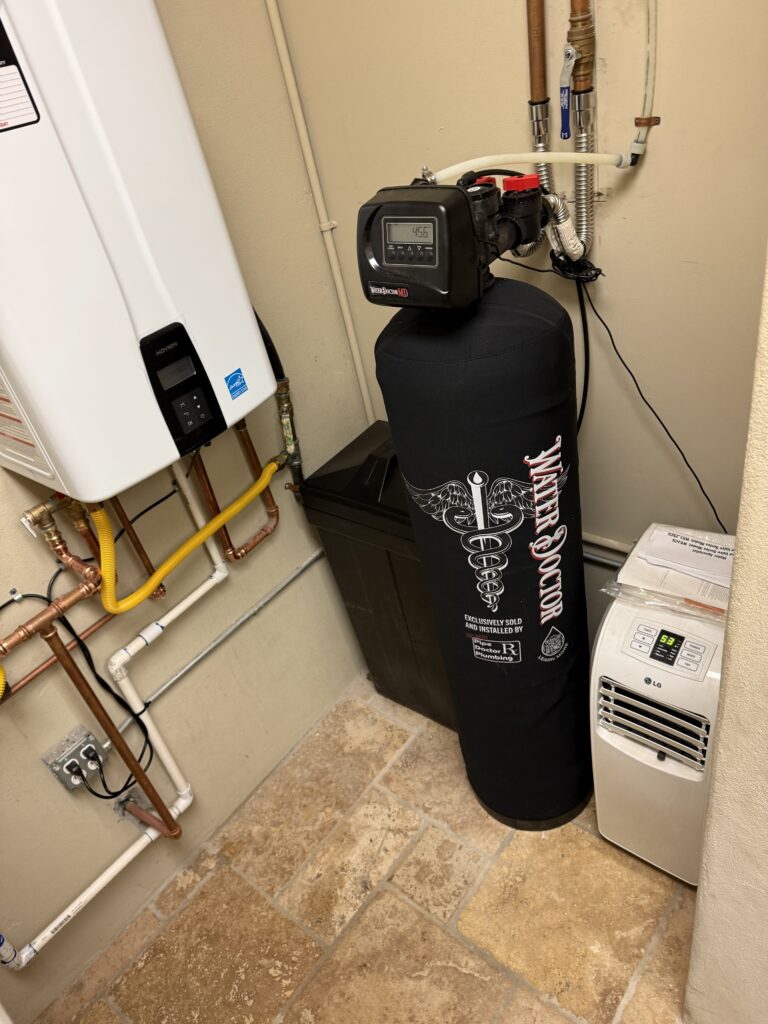
If you live in Desert Mountain, you know the water from your tap isn’t always what you’d hope for. Hard minerals, sediment, and even occasional chemical traces can make everyday water feel less fresh and sometimes cause plumbing issues down the line. Picking the right whole house water filtration system can seem confusing with so many options out there, but having clean, safe water flowing through every faucet is worth the attention. Here, we break down how to choose a filtration setup that fits our desert’s unique water challenges and keeps your home running smoothly.
Choosing the right whole house water filtration system is not always straightforward. With multiple technologies available, understanding what works best for desert conditions can help you make a more informed and long-term decision.
Choosing the Right Filtration Options in Desert Mountain
When selecting a whole house water filtration system, tailoring it to your household’s unique water quality challenges is crucial, especially in the arid desert environment we live in. Our water often contains higher levels of sediment, minerals, and sometimes traces of chlorine or other chemical treatments. A one-size-fits-all solution rarely works well.
One important aspect is the combination of filters rather than relying on just one type. Sediment filters protect downstream equipment by removing larger particles like sand and rust. Carbon filters improve taste and remove chlorine, odors, and organic chemicals, though cartridges need regular replacement. For homes where purity is paramount, reverse osmosis (RO) systems offer advanced filtration by removing dissolved solids, though they consume more water and may lower pressure if not sized properly.
At AZ’s Best Pipe Doctor Plumbing, LLC, we emphasize personalized consultation coupled with industry-leading products tailored to suit your home’s needs. Pre-filtration stages that guard more delicate downstream components from clogging, combined with regular maintenance schedules, ensure each filter element remains effective over time.
Why Do Desert Mountain Homes Need Specialized Water Filtration?
Living in Desert Mountain means dealing with water that isn’t just hard but comes loaded with minerals and sediment unique to arid climates. Desert-specific systems are designed to tackle these challenges head-on, anticipating and addressing the particular effects those minerals have on your plumbing and appliances.
High calcium levels cause stubborn scale buildup inside pipes, quietly undermining water pressure and damaging fixtures over time. Salt-free water conditioners integrated into these systems effectively prevent scale without stripping away naturally beneficial minerals your body needs, striking a vital balance often missing in generic filters.
By reducing sediment accumulation, these specialized systems help avoid clogs and premature wear on appliances like water heaters and dishwashers. Clean, conditioned water means fewer breakdowns, longer equipment lifespan, and a smoother daily experience. Desert-specific filtration also handles contamination from local sources such as dust storms, with multi-stage technology capturing the microscopic silica-rich particles that can settle around water sources.
Choosing a system crafted specifically for Desert Mountain conditions means equipping your home with intelligent defenses that protect both your plumbing and your family’s daily water quality.
Top Filtration Technologies
Among advanced filtration technologies, multistage filtration systems stand out for desert water challenges. These systems combine several technologies within a single unit, each stage targeting different impurities. A typical configuration houses a sediment filter for large particles, an activated carbon stage for chlorine and organic compounds, and a reverse osmosis membrane for dissolved salts and microscopic contaminants.
Industry research from the Water Quality Association confirms that well-designed multistage systems can achieve very high rates of contaminant reduction across a broad range of substances. This performance is particularly relevant for Desert Mountain homes where water conditions fluctuate seasonally due to drought or supply variations.
Multistage filters also tend to have longer filter life because each stage handles specific impurities rather than overwhelming one component with everything at once. Sediment filters protect downstream components from premature clogging, while carbon filters extend the RO membrane’s life by removing organic materials that would otherwise degrade it faster.
If you’re considering whole-house filtration, ask our team at AZ’s Best Pipe Doctor Plumbing, LLC about systems featuring multistage filters with sediment pre-filters, activated carbon, RO membranes, or ultraviolet sterilization for microbiological concerns.
Evaluating Long-Term Investments
While the upfront cost of a whole house filtration system can range from about $750 to $3000 depending on technology type and installation complexity, the true value emerges over time. High-quality filtration protects pipes and appliances from sediment buildup and corrosive minerals, meaning fewer clogs, leaks, or breakdowns that would otherwise demand costly repairs.
Untreated water causes slow, invisible damage as scale and corrosion accumulate in pipes, reducing water pressure and efficiency. Installing a reliable filtration system wards off these issues, extending the service life of plumbing hardware. Beyond maintenance savings, there’s added value in peace of mind knowing cleaner water flows through every faucet.
When choosing a system for Desert Mountain, consider factors beyond price, including durability and warranty coverage. Working with our team at AZ’s Best Pipe Doctor Plumbing, LLC ensures you get informed consultation and reliable installation tailored for local water conditions.
Addressing Water Quality Challenges in Desert Areas
Desert Mountain water tends to be notably hard, packed with calcium and magnesium that create scale buildup in pipes and appliances. Water softeners or conditioners using ion exchange swap out hard minerals for sodium or potassium ions, dramatically reducing hardness and preventing clogging and corrosion. We always recommend checking the latest local water quality reports before investing, so solutions are tailored rather than guessed.
Beyond hardness, microbial contamination is a concern, especially with well water or less treated supplies. UV purifiers offer chemical-free elimination of bacteria and viruses. Chemical contaminants like pesticides or industrial residues respond well to activated carbon filtration.
Our experience at AZ’s Best Pipe Doctor Plumbing, LLC shows that a layered approach, combining softening, UV purification, and carbon filtration, provides the most robust defense against typical Desert Mountain water issues. The investment pays off through fewer plumbing repairs, healthier household water, and peace of mind every day.
Looking for the Right Water Filtration Solution for Your Home?
Hard water, sediment, and hidden contaminants can damage your plumbing and affect your daily life. A professionally installed whole house water filtration system ensures cleaner, better-tasting water throughout your home. AZ’s Best Pipe Doctor Plumbing, LLC provides:
- Custom filtration systems designed for Desert Mountain water conditions
- Expert installation by licensed plumbers
- Ongoing maintenance to keep your system performing at its best
Call 623-869-6436 today or schedule a consultation online to upgrade your home’s water quality.
FAQs on Whole House Water Filtration System
What type of water filtration system works best in desert areas?
A multi-stage filtration system is usually the most effective for desert homes. It typically combines sediment filtration, activated carbon, and sometimes reverse osmosis to handle minerals, dust, and chemical contaminants commonly found in desert water supplies.
Does a whole house water filtration system remove hard water?
Standard filtration systems improve water quality but do not fully remove hardness. To address hard water issues like scale buildup, a water softener or conditioner is often needed alongside filtration.
How often should water filtration filters be replaced?
Replacement frequency depends on the type of filter and water quality. Sediment and carbon filters usually need replacement every 3 to 6 months, while more advanced components like reverse osmosis membranes can last a few years with proper maintenance.
Is reverse osmosis necessary for every home?
Not always. Reverse osmosis is ideal for improving drinking water quality by removing dissolved solids and contaminants, but not every home requires it for whole-house filtration. It depends on your specific water conditions and preferences.Can a filtration system help extend the life of plumbing and appliances?
Yes, reducing sediment and mineral buildup helps protect pipes, water heaters, and appliances. This can improve efficiency and reduce the likelihood of costly repairs over time.